
 English
 Español
 Português
 Русский
 العربية
 Français
 Deutsch
 中文
中文 日本語
日本語 한국어
한국어Developing a Lightweight Honeycomb Gaming Mouse Housing
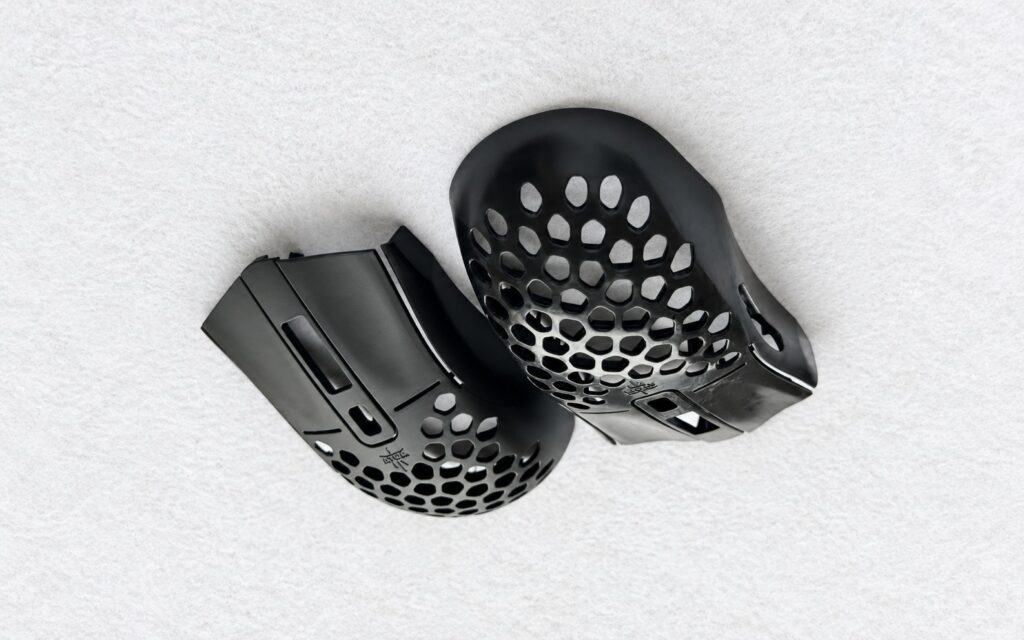
Lightweight gaming mouse housings look simple from the outside, but the combination of a thin shell, large honeycomb openings and multiple assembly features makes them demanding injection moulding parts. This project involved developing a two-cavity mould for a wireless gaming mouse housing designed around low weight, structural stability and a consistent cosmetic finish.
The customer supplied the product specification and validation requirements for a glass-fibre-reinforced PC+ABS housing. The main manufacturing objective was to control filling, flash, warpage and ejection without compromising the honeycomb geometry or the surfaces used for coating and laser marking.
Project Requirements
The housing specification combined several requirements that had to be considered as one moulding system:
- a target part weight of no more than 18 g;
- clean honeycomb edges with a specified opening tolerance of ±0.03 mm;
- uniform wall thickness, including local sections as thin as 0.8 mm;
- critical assembly surfaces controlled to ±0.05 mm;
- matte or gloss cosmetic surfaces suitable for coating and laser marking;
- a 1+1 two-cavity mould with a target cycle time of 22 seconds or less.
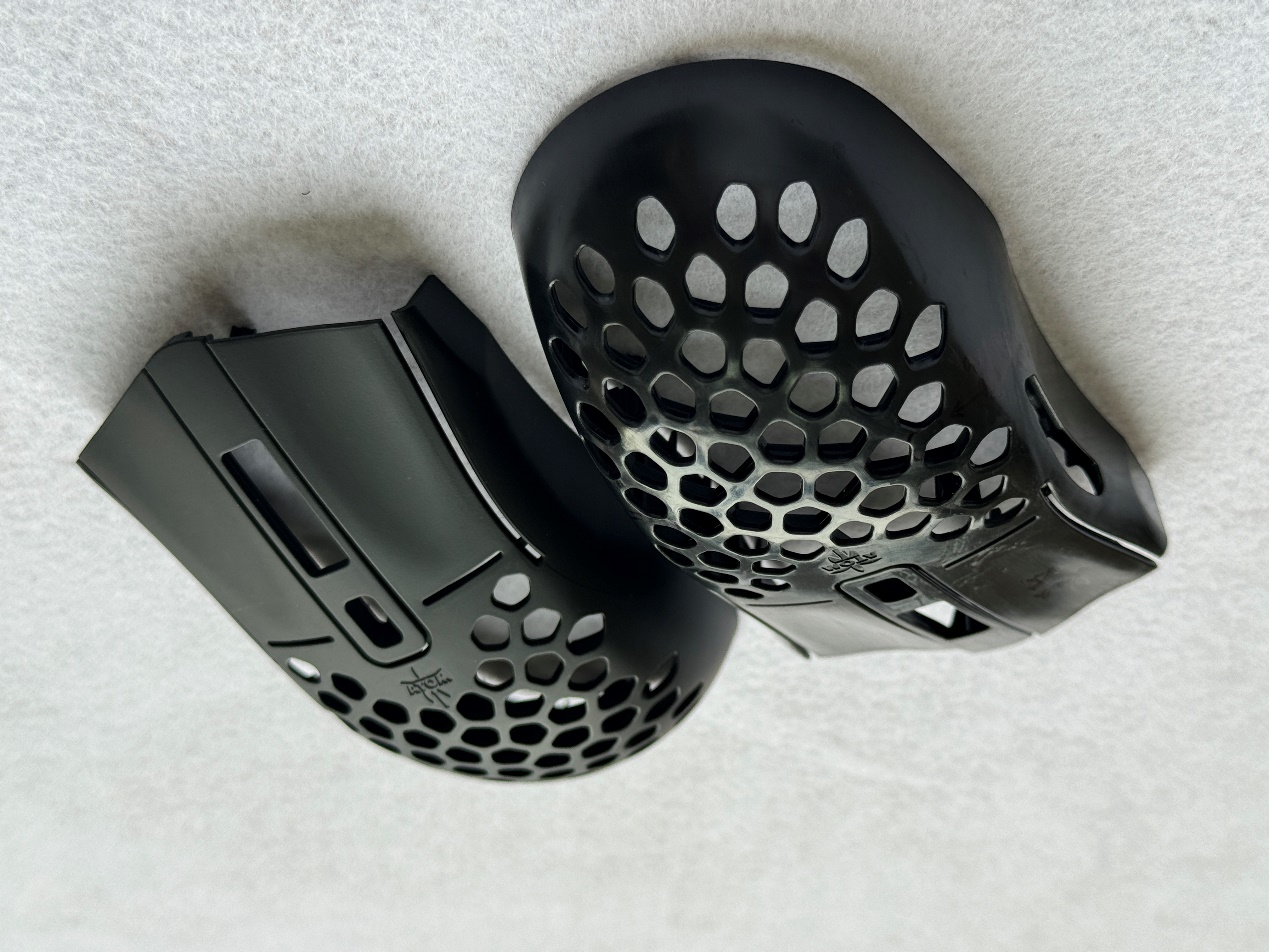
Why the Honeycomb Structure Is Difficult to Mould
The openings divide the melt into many narrow flow paths. If the flow front is not balanced, short shots, weld lines, trapped air and local burn marks can appear around the holes. The large number of shut-off edges also makes flash control important because even a small burr can be felt by the user.
Warpage is another key risk. The shell is thin and curved, while ribs, button slots, side openings and logo features introduce local differences in stiffness and cooling. Glass-fibre reinforcement improves strength but adds further process sensitivity: fibre orientation can influence shrinkage, surface appearance and the way the shell responds to load.
Mould and العملية Development
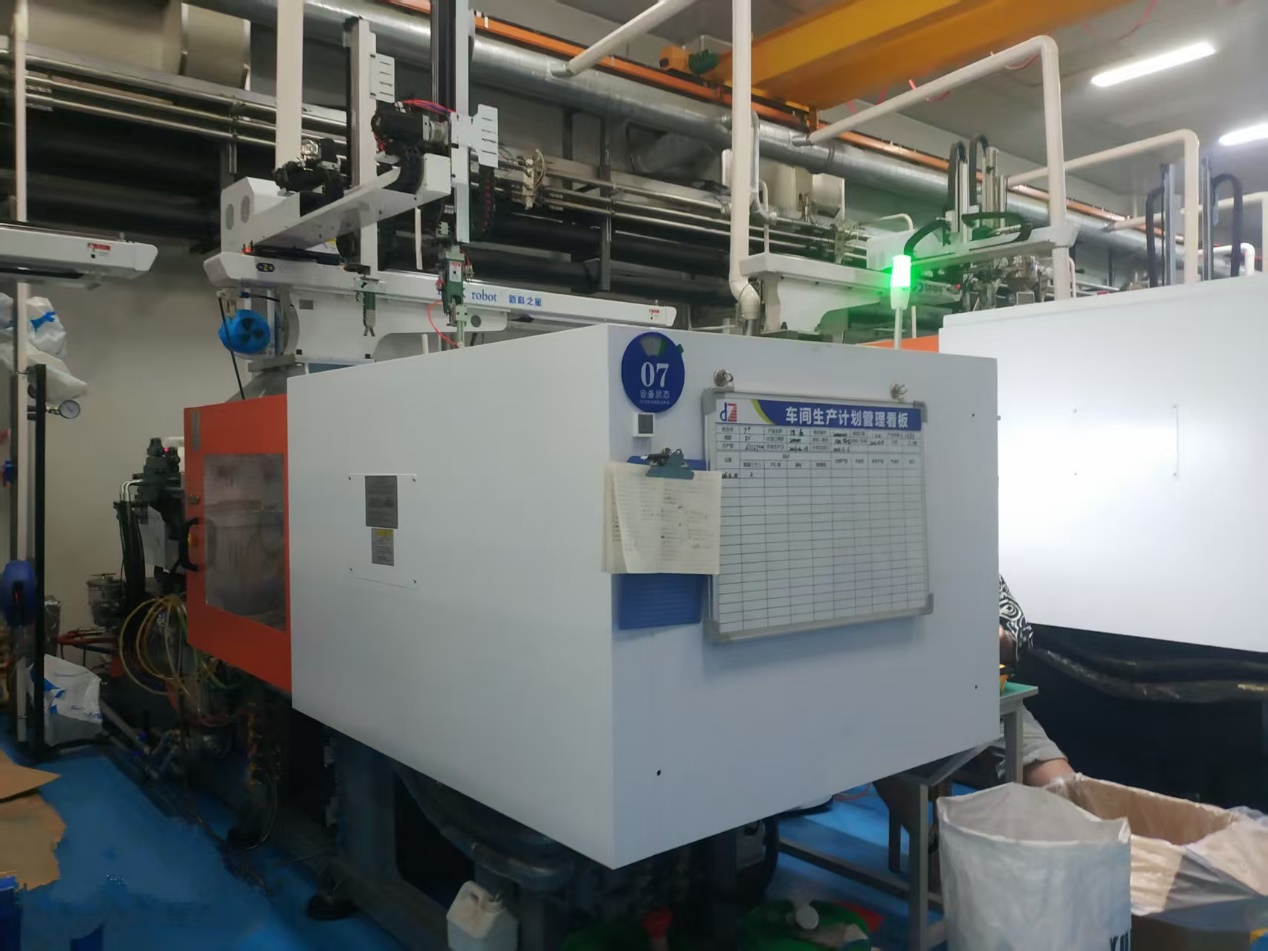
JingZhan developed the mould around balanced filling and controlled heat removal. A hot-runner system with symmetrical multi-point gating was used to shorten the flow distance and improve filling balance. Venting inserts were added around the honeycomb areas to release trapped air and reduce the risk of burning or edge flash.
The cooling layout followed the curved housing geometry and used independent temperature zones. The project specification called for mould temperature differences to be controlled within ±1.5°C. Filling speed, staged holding pressure and cooling time were then adjusted during trials to reduce residual stress and stabilize the thin shell.
Protecting the Cosmetic Surface
Conventional ejector pins could leave visible marks on the external surface. The ejection system therefore combined a push plate with edge ejectors positioned away from the cosmetic area. Draft and ejection speed were reviewed together to reduce whitening, drag marks and local deformation.
A low-shear hot-gate arrangement and controlled injection parameters were used for the glass-fibre-reinforced resin. The process window was refined to limit fibre read-through while maintaining complete filling around the thin openings. Post-mould conditioning was included where required to reduce residual stress and improve dimensional stability.
Toolmaking and Feature Accuracy
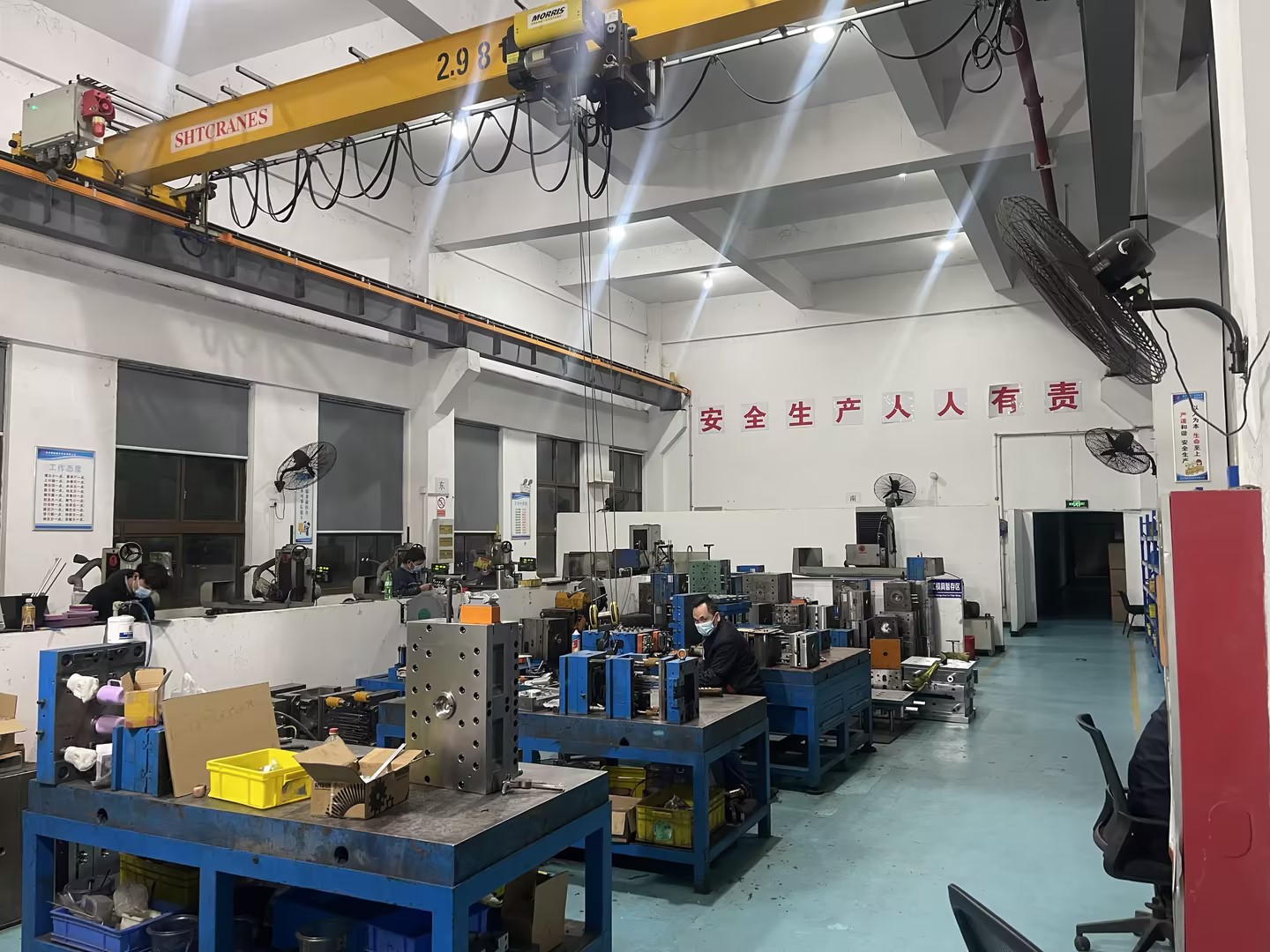
The cavity included button slots, side-button openings and logo features that had to align with the base shell and internal components. Five-axis CNC machining and wire EDM were used for the mould inserts so that the honeycomb openings and assembly features could be produced in one moulding operation. This reduced secondary processing and helped maintain consistent positioning between cavities.
Trial Validation and Production Results
Trial inspection focused on opening edges, wall-thickness consistency, assembly interfaces, surface condition and shell deformation. The project record reports that the final process achieved a cycle time below 20 seconds and an appearance yield of 99.3%. The mating gap with the base shell and button plate was controlled within 0.08 mm, and the completed housing passed the customer’s drop, button-life and extended-use tests.
The mould subsequently entered repeat production for monthly demand of approximately 80,000 parts. The same project record states that the tool exceeded 700,000 cycles while maintaining the agreed part geometry and surface requirements.
For more examples, explore JingZhan’s electronics injection moulding components, or send the engineering team your part drawing and production requirements.
لنبنِ القوالب الدقيقة معًا
ارفع ملفات CAD الخاصة بك أو شارك مواصفات منتجك. سيرد فريقنا الهندسي بعرض سعر مفصل خلال 24 ساعة.